CALSILIC - micronised lime to unlock growth
Globally there is a growing understanding of the performance benefits which can be gained from the use of micronised elements in both the industrial and farming industries. Lime to maintain good soil pH levels and avoid yield losses is just as important as applying fertiliser in the first place, to maximise yields.
Through the micronising process (often referred to as comminution) lime and silicon can be produced in size down to 40 or less microns. [4] This has a significant increase in the surface area which is available, in the case of agriculture, to interact in the soil and enhance nutrient uptake and increase the availability of nutrients to plants.
The dramatic increase in global fertiliser prices and its impact on farm productivity has seen a major focus on technology that will increase cereal and similar crop returns from existing nutrient inputs. However, by micronising lime and then forming it into small pellets the lime can be injected directly into the seed bed where it is instantly available to begin the process of reversing soil acidity and unlocking the vital elements for plant growth.
Soil Acidity – Lime Prill
Soil acidity is an unavoidable by-product of high nutrient and good farming practices, but the rate of acidification is increasing due to higher use of nitrogen fertiliser, increased productivity, and greater intensity of cropping and hay production.
When the soil pH falls below pH 5.0(CaCl) then the productivity of crops and pastures starts to fall; nutrients such as phosphorus, magnesium, calcium and molybdenum become less available; and toxic amounts of aluminium and manganese can occur. In addition, many pulses and their associated rhizobia (required for nitrogen fixation) are highly sensitive to soil acidity.
Globally there is a growing understanding of the performance benefits which can be gained from the use of micronised elements, like CALSILIC micronised lime, in both the industrial and farming industries.
This has a significant increase in the surface area which is available, in the case of agriculture, to interact in the soil and enhance nutrient uptake and increase the availability of nutrients to plants.
Lime to maintain good soil pH levels and avoid yield losses is just as important as applying fertiliser in the first place, to maximise yields.
The dramatic increase in global fertiliser prices and its impact on farm productivity has seen a major focus on technology that will increase cereal and similar crop returns from existing nutrient inputs.
However, by micronising lime and then forming it into small pellets, our CALSILIC product can be injected directly into the seed bed where it is instantly available to begin the process of reversing soil acidity and unlocking the vital elements for plant growth.
Why is soil acidity a growing problem
Soil acidity is usually remedied with liberal applications of agricultural lime. Lime has low solubility, so it dissolves and moves through the soil very slowly, even in high rainfall zones. In some cases farmers cultivate the soil to work the lime into the root zone but with modern minimum till practices this is no longer possible.
CALSILIC micronised lime granules (Lime Prill) has a huge potential when applied using conventional air seeders which are now a normal part of farming practices. With this method lime can be delivered direct into the crop root zone where the extremely large surface area of the micronised lime can react quickly with the acidic soil GRDC currently estimates that 100,000 tonnes of lime is applied in various ways in South Australia each year but that this needs to increase to 200,000 tonnes to arrest the current problem and that annual ongoing applications will need to be maintained.
With most farmers becoming aware of the production suppression caused by soil acidity the appeal of being able to apply lime direct into the seed bed using existing machinery, the uptake of the CALSILIC is expected to be high.
Some 5.4 million tonnes of fertiliser is sold in Australia each year of which about 1,000,000 tonnes is nitrogenous fertiliser. Nitrogen is by far the biggest player in the market which is a reflection of its role in boosting crop production across most sectors of agriculture.
While nitrogen’s contribution to crop increases has been massive it has emerged as a major player in increasing soil acidity which in turn restricts the ability of plants to uptake nutrients and in the process supress production.
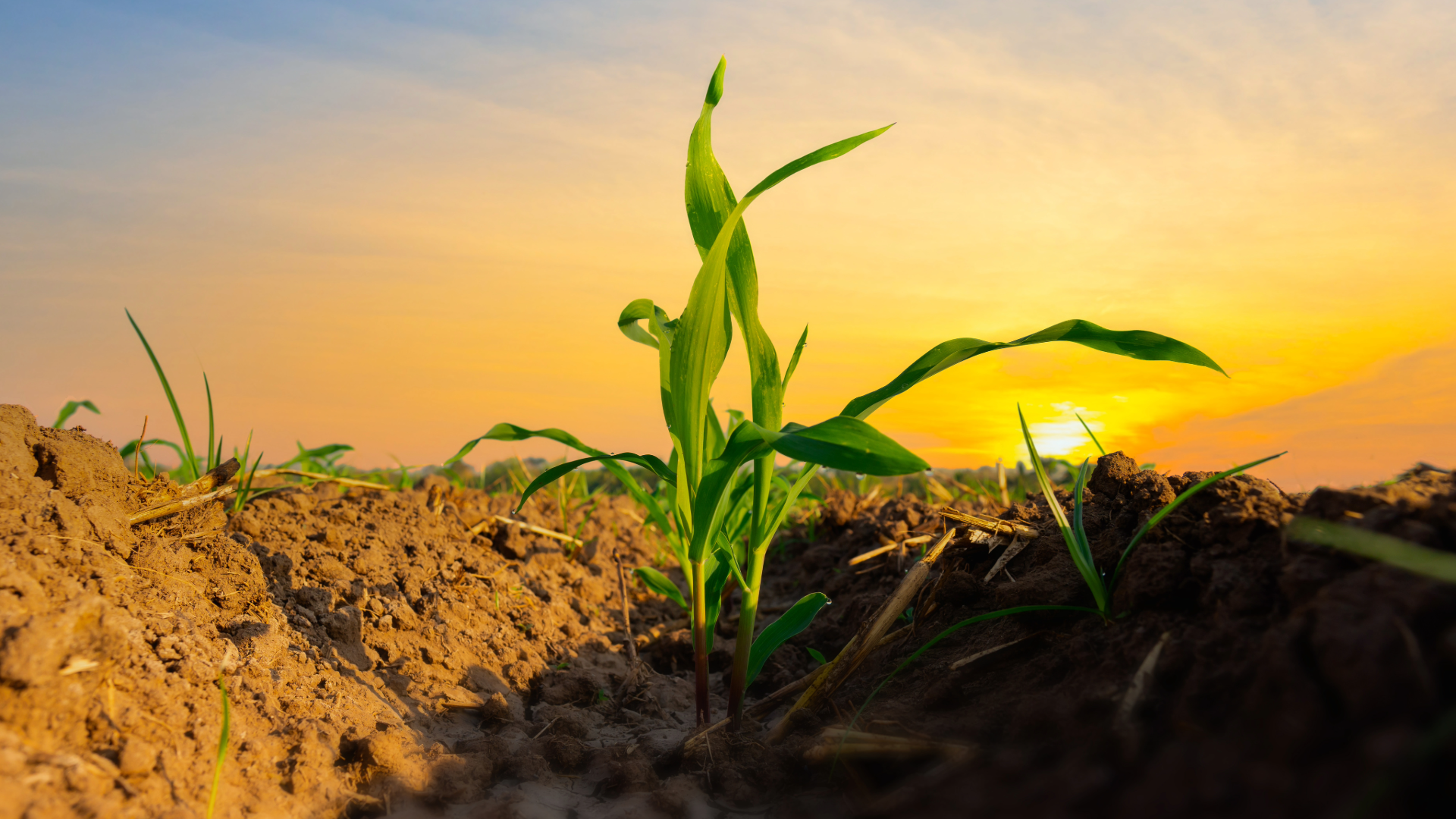
Much of South Australia’s 4.4 million hectares of productive farmland has a topsoil pH below 5.5 or has the potential to develop acidity. While Soil pH is largely a function of soil type, rainfall and farming systems, a soil pH between 5.2 and 7.5 provides optimum conditions for most agricultural crops, though plant species differ in their tolerance to acidity and alkalinity.
In the past this problem would have been countered by spreading lime on the surface of the soil and working it into the seedbed with traditional tillage machinery. But with the advent of minimum tillage practices and the use of airseeders which “inject” seed and fertiliser down tubes into the seed bed with little or no disturbance of the soil surface the ability to use traditional liming methods has been removed.
This is where pelletised or granulised micronised lime, like CALSILIC, comes into play. By forming these elements into pellets or granules they can be applied using modern airseeders and deposited directly into the seedbed where they can reduce soil acidity and provide optimum conditions for crops to grow.
By micronising lime its performance can be dramatically increased by the greater surface area the micronising process creates. The jagged surface nature of the particles further enhances this feature.
- Liming acidic soil results in greater root growth and nutrient uptake.
- Very fine lime (0.05mm) reacts rapidly in soil, even where water content is low.
- When deep slotting lime, the proximity of wheat rows to a limed slot is the major factor influencing greater wheat growth.
Where does our high quality lime come from?
Through its agreement with sister company Stoney Pinch Quarries Pty Ltd, Stoney Pinch Sands Pty Ltd has access to an estimated 700,000 plus tonnes of high quality lime to produce CALSILIC.
These deposits are calcrete deposits associated with the “Karoonda Land Surface” at the base of the Woorinen Sand Dunes. The thickness and quality of the calcrete is variable, but in the area of the proposed operations the deposit ranges from 1 to 2 meters thick. The deposit is in part covered by a thin sequence of Woorinen Sands in the form of a naturally vegetated dune.